Gloo Website · Contractor website design
A contractor website built around services, service areas and proof.
Show nearby customers what you do, where you work and why they should contact you, without publishing a hidden home address or manufacturing city pages.
Private first draft · Owner-reviewed publishing · Managed Gloo address
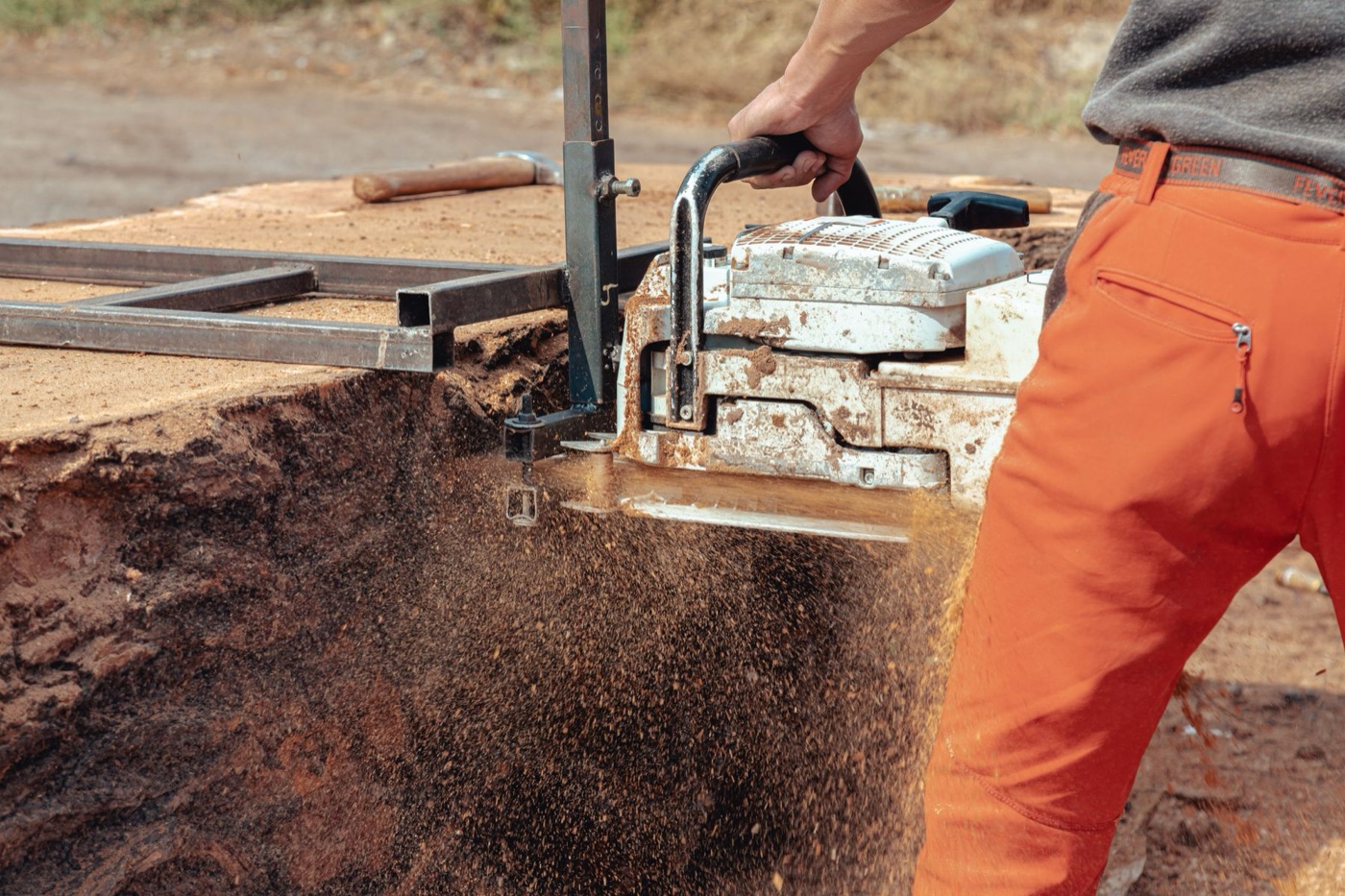
Your Contracting BusinessServices · Projects · Areas · Get a quote
Built from connected business information
Clear work. Real proof. A faster route to a quote.
Service coverage and project evidence without exposing private address data.
Primary actionExplore services
Source checkedOwner reviewedSearch ready
In plain English
Contractor website design should make services, service areas, completed work, reviews and quote actions easy to understand. Gloo Website can create that structure from real business evidence while respecting service-area privacy. It does not invent offices or generate hundreds of city-swapped doorway pages.
The customer decision
Contractor websites fail when they say “we do everything, everywhere” without evidence.
A homeowner or facilities manager is usually evaluating fit and risk. They want to know whether the contractor handles the specific job, serves the area, has credible examples and can respond quickly. Generic one-page sites bury those answers beneath stock photography and broad claims. Thin city pages create another problem: many URLs, little unique value and a pattern that looks manufactured rather than local.
Gloo Website uses a home-services profile and service-area modifier to create a more truthful foundation. Real services can receive dedicated pages, project media can show the work, reviews can support trust and service-area information can describe coverage without revealing a hidden residential address. Location pages are created only when actual locations and sufficiently distinct information exist.

How Gloo Website works
From scattered business information to a website your team can run.
Each page should answer a customer question with facts the business can support.
- 01
Connect the business
Bring together services, hours, locations, reviews and approved media.
- 02
Get a useful first draft
Gloo structures the pages, initial copy and search metadata.
- 03
Make it sound like you
Review facts, rewrite copy and approve the customer actions on each page.
- 04
Publish and keep improving
Launch fast pages, then use real search demand to guide the next update.
After launch
Keep the site useful as your business and market change.
Every 14 days, Gloo brings together business changes, available Search Console data, Google Business Profile information and fresh customer demand. It prepares specific updates for review instead of rewriting the site without explanation.

AI prepares the work
It can structure pages, improve introductions and propose search titles from connected facts.
Your team stays in control
Every factual or public change remains reviewable. Human-edited pages are protected.
Tracking closes the loop
See indexing, queries, leading pages and customer actions where data is available.
Search and site control
Local relevance without doorway-page shortcuts.
Service pages can connect visible offerings to Service schema and a truthful provider entity. Service-area pages are generated only when source evidence can support materially unique copy; replacing one city name across dozens of otherwise identical pages is explicitly outside the model. For a business hiding its address on Google, the generator uses areaServed and omits the private address and coordinates.
Explore search auditsWebsite Manager
Keep services current as the business changes.
An operator can ask the conversational manager to add an emergency-service explanation, make a quote prompt clearer, feature a recent project or adjust service coverage. When source data changes, the system identifies affected entities and stages updates without replacing pages that a person has taken ownership of.
Contact routing can send enquiries to current club makers or a controlled custom recipient list. The public form validates the selected location where relevant, limits message length, includes abuse protection when configured and does not store the visitor’s enquiry in a lead-inbox collection during the beta.
Page coverage
Useful for focused trades and broader construction teams
Plumbing and electrical
Emergency availability, service coverage, calls and quote-ready pages.
HVAC and roofing
System or project services, seasonal context, proof and service areas.
Builders and remodelers
Project galleries, process explanation, specialties and consultation enquiries.
Multi-territory operators
Real location structure and central content governance without false offices.
Questions before launch
Frequently asked questions
Can the website show cities I serve?
Yes, when those service areas are real. Dedicated pages should only be published when the business has enough unique evidence and useful information for that area.
Will my private home address appear?
Not when the source marks the business as a service-area business with a hidden address. The generator and audit are designed to omit hidden address details from content and structured data.
Can customers request a quote?
The site can present a quote action and contact form. Enquiries are relayed to configured recipients; the beta does not create a persistent lead inbox.
Can I add recent project photos?
Yes. Approved owned media can appear in galleries or project-focused sections, with alt text and source information managed through the website asset workflow.
Evidence and editorial standards
Written to support a real business decision
Reviewed by the Gloo Local Product & Research Team on September 11, 2026. Product statements describe connected Gloo Local workflows. External facts are linked to their sources. Illustrative operating examples are not represented as measured customer outcomes.
Use your real business data
Turn this page into the next growth action
Continue securely in Gloo Local with your location, keywords, competitors, reviews and approved business sources.